
Blog
History of Dandy Hats: From Aristocratic Roots to Modern Gentleman Style

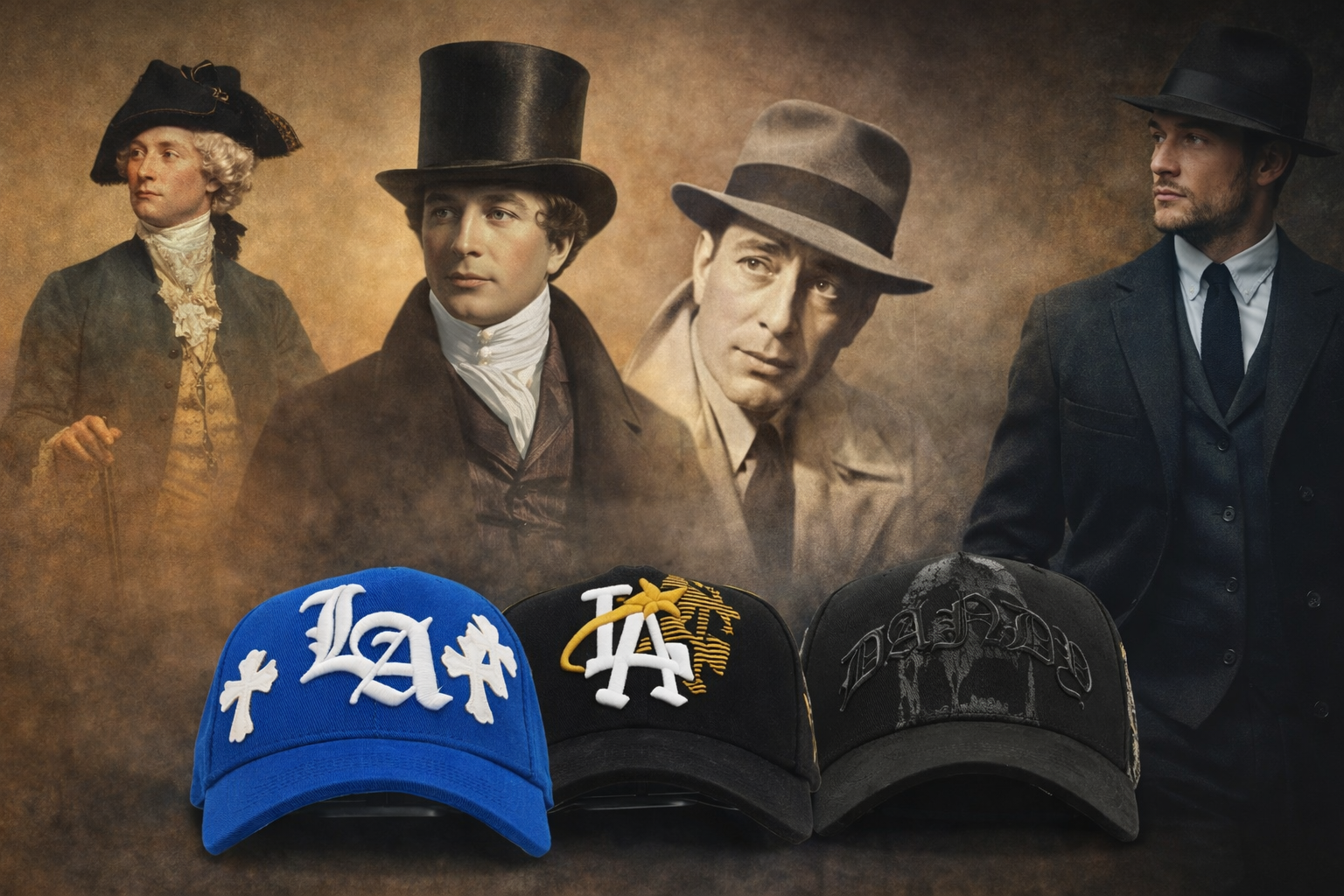
The word fashion does not just refer to the clothing, but it can be taken to imply the culture, the class, the confidence and the identity of a person. The Dandy Hat has been considered among the most important historical accessories in the men fashion. Since the aristocratic salons of 18 th -century Europe to the modern day city street, dandy hats have crossed through centuries of style variation; they never lose their nature: high-end individuality.
The very act of wearing a Dandy Hat nowadays is to become a part of a living tradition – one made by nobles, artists, revolutionaries, movie stars, and other trend setters of our time. So what happens to Dandy Hats between being fashionable low status symbols and being fundamental to the contemporary gentleman style?
The article covers the entire history of Dandy Hats, its emergence, role in culture, development of the style, and the enduring contribution to the modern-day fashion industry.
The Birth of the Dandy: Style as Identity
The plot starts in late 18th century Europe, especially England, and France. In this period, clothes used were a direct sign of social status. Rulers were extravagant in their clothes: powdered wigs, embroidered coats, silk stockings, and fancy fancies. But another form of gentleman also appeared, the dandy.
The dandy was against too much decoration, instead he focused on clean lines, perfect tailoring and modest elegance. He emphasized on quality, grooming, posture, and controlled sophistication. And his clothes were not clamorous, but accurate.
And in the midst of his cultured looks was one inseparable element: the hat. To the early dandy a hat was not merely an element of defense against rain, snow and cold. It represented a symbol of status, brains and boldness.
Royal Origins: Hats as a Sign of Pedigree
Headwear, even pre-modern Dandy Hats, had strong social meaning.
In 17th and 18th-century Europe:
- Specific styles of hats could only be worn by some classes.
- Wealth was represented by the use of hats.
- The status of a hat was in its height and decoration.
Aristocrats, statesmen and the officers wore tall top hats, tricorn hats, and early felt hats. It was a sign of respect to do away with one hat. The hats were an indicator of wealth.
At the moment of the rise of a dandy culture, it inherited this aristocratic admiration of hats, it perfected it to the minimalist splendor.
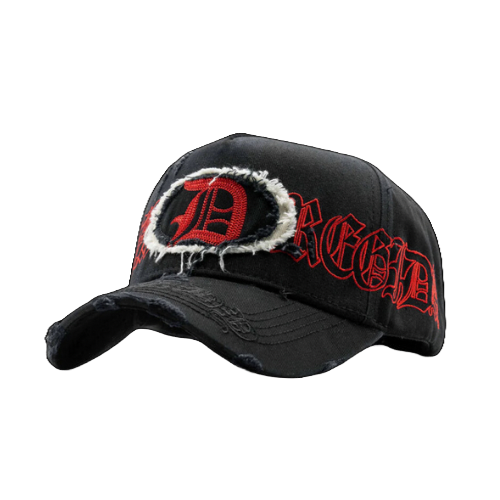
Beau Brummell: The Original Dandy of the Modern Age
History of Dandy hats is never complete without Beau Brummell who was an English gentleman and is widely known as the father of modern dandyism in the early nineteenth century.
- Brummell transformed the fashion of men in that he:
- Rejecting ornate clothing
- Presentation of perfectly customized suits.
- Encouraging the state of cleanliness and grooming.
Simple yet high quality hats
He made the difference of the modern gentleman hats by popularizing the structured hat with a neat proportion, thus forming the basis of the modern headwear of gentlemen. Hats also became more architectural under his influence, but they were less decorative–they made the face of the person and the head of the silhouette.
The philosophy of Dandy Hats that is being described by Brummell to this day:
Elegance through restraint.
The 19th Century: The Top Hat Rise
By the middle of the nineteenth century, the top hat had become a symbol of the hat of the upper-class men. It represented respectability, success and social status.
Features:
- Tall structured crown
- Narrow curved brim
- Black silk or felt finish
Top hats were worn by:
- Aristocrats
- Politicians
- Business magnates
- Evening event attendees
The hat was the ultimate accessory of class to dandies. It required the erect sitting position, official behavior and customized clothes. This is a ceremonial forerunner of all Dandy Hats, which is hardly ever worn nowadays.
Late 19th Century: The Birth of the Fedora
Modernization of society made men pursue elegant yet convenient hats. This gave rise to the fedora in the late 19th century.
The fedora was initially used in one of the plays on the stage in France and soon became popular among well-dressed men in Europe and subsequently in America.
The reason the Fedora Changed Everything:
- Softer felt construction
- Creased crown for character
- Medium brim out of convenience.
- Easier to wear daily
The fedora was aristocratic and it was adjusted to the contemporary life. The hat became the hallmark of early 20th century dandies.
Early 20th Century: The Golden Age of Gentleman Hats
Hats in the 20th century 1900 to 1950 were a necessity with every man. Socially, one could not leave home without a hat.
During this era:
- Businessmen wore fedoras
- Artists wore pork pie hats
- Workers wore flat caps
- Top hats were still put on by aristocrats.
Dandy fashion thrived. Precaution was taken to select hats that were suit, coat and even occasion matching. The craft of hat-making was a noble one, and there were luxury hatters, who served high society. It was actual Golden Age of Dandy Hats.
Hollywood Influence: Hats become Idols
With the visual film booming in the 1930s-1950s, movie stars turned hats as symbols of charm.
- Humphrey Bogart’s fedora
- Frank Sinatra’s tilted brim
- The silhouettes of Cary Grant.
Reproduction of these pictures throughout the globe ensconced the fedora and structured hats as eternal fashion icons. The dandyism spirit migrated out of aristocratic drawing-room to silver screens – to the common men on the continent.
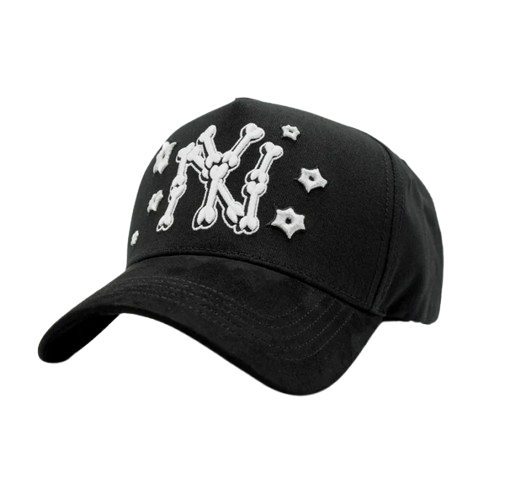
The Death of the Everyday Hat Culture
Social developments after the 1950s decreased the daily hats:
- Hats were rendered less convenient by automobiles.
- Instances of indoor lifestyles were on the rise.
- Casual style came into vogue.
By the 1970s, hats were not required in daily accessories. Numerous old hatmakers went out of business, and wearing hats had become rather sporadic than a regular thing.
But although its wearing in everyday life decreased, the dandy hat culture did not completely die out, and only awaited recovery.
Late 20th Century: Subculture and Revival of Art
Since the 1980s hats had stayed alive in:
- Jazz and blues musicians
- Fashion designers
- Creative subcultures
- British heritage revival
Pork pie hats, big brims, and fedoras were musical pieces of art work. Media designers revised traditional shapes of hats in runways. The dandy was transformed into a creative, expressive, identity as opposed to being simply aristocratic tradition.
The Last Century 21 The Revival of the Modern Dandy
Tailoring, craftsmanship and classicism (that of men) were revived in the 2000s and later in men’s fashion. Personal style became visible once again because of social media, fashion blogging, and the culture of influencers.
Dandy Hats came back, though not in the old fashioned form, but in form of luxury accessories today.
Today’s modern dandy:
Combines old-fashioned hats with modern garments.
- Wears hats either informally or officially.
- Rocks hats as trademark identity pieces.
Luxurious hat manufacturers, new fashion brands brought back wide-brimmed hats, small felt fedoras and high-quality straw designs.
The Dandy Hat was repackaged – as current with the times on streets, offices and eventations.
Frequently Asked Questions (FAQs)
What is the inception date of Dandy Hats?
Dandy Hats can be dated to the end of the 18th -century Europe and with the popularity of dandy fashion.
Who was the original great dandy?
Beau Brummell has been regarded as the father of modern dandy style.
Which was the oldest style of Dandy Hat?
Early dandies wore unusual felt hats and thereafter tophats.
When has the current popularity of fedoras?
The popularity of the Fedoras continued in the late 19th and early 20th century.
Why did down to earth hat wearing decay?
The end of hats occurred beyond the 1950s with the use of cars, indoor lives and the blocky fashion.
What is the reason for re-emerging Dandy Hats today?
Men are rediscovering handcraft, customization and style.
Are Dandy Hats just for business?
No. Modern Dandy Hats fits casual, smart-casual and formal attire.
What kind of hat is the most ideal beginners hat?
The perfect starting point is an old-fashioned fedora in a blend of color.
Are Dandy Hats expensive?
Quality hats may be an expenditure, however, they will last years.
Will Dandy Hats continue to be in fashion?
Yes. Their classic-style and culture will guarantee eternal topicality.